











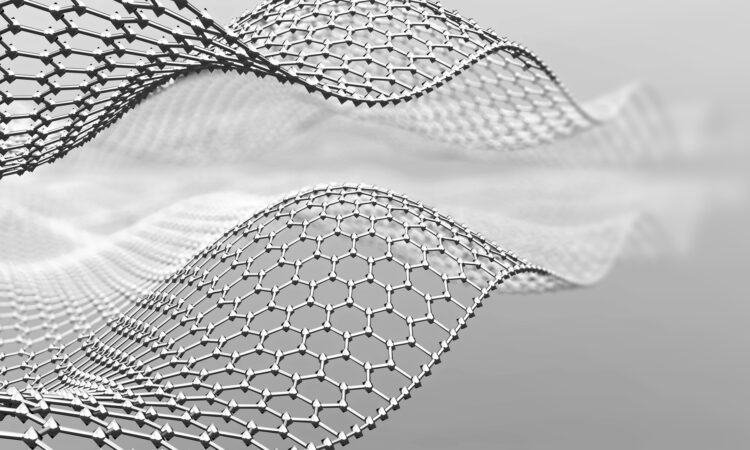
The evolution of modern electronics relies heavily on advancements in material science. As electronic devices become smaller and more capable, the need for materials with exceptional characteristics is critical. Pristine graphene, a single-layer carbon nanomaterial, is fundamentally changing the landscape of electronics. Its unique combination of strength, light weight, and extraordinary electrical properties makes it a highly promising material for a wide range of applications.
Unmatched Electron Mobility for Higher Speeds
Pristine graphene holds the record for the highest electron mobility of any known material at room temperature. Electrons travel through it with minimal resistance, which directly results in faster signal processing and reduced power consumption in electronic circuits. This attribute is vital for developing next-generation transistors and high-frequency components that can significantly outperform current silicon-based devices. Integrating pristine graphene into microprocessors has the potential to lead to computing speeds previously thought impossible.
Superior Thermal Management
One of the biggest obstacles for modern high-performance electronics is managing heat. As transistors shrink and power density increases, excessive heat can degrade performance and shorten the life of a device. Graphene is an exceptional thermal conductor, surpassing materials like copper and even diamond in some metrics. This ability to efficiently draw and spread heat away from critical components is essential for extending the operational life of sophisticated devices, especially in demanding areas such as artificial intelligence processing and high-power computing.
Enabling Flexible and Transparent Electronics
Pristine graphene’s extreme thinness, strength, and flexibility make it ideal for flexible electronics. It can be incorporated into flexible substrates without losing its electrical performance, paving the way for rollable displays, wearable technology, and smart textiles. Because it is also transparent, it can function as a highly conductive, invisible electrode. Sir Konstantin Novoselov, a Nobel laureate for isolating graphene, often speaks about the material’s potential in various electronic applications, such as flexible screens and transparent conductive films, describing it as “a perfect material.”
Enhancing Energy Storage Capacitance
While not a circuit component itself, energy storage is intrinsically linked to electronic performance. Pristine graphene dramatically improves the capabilities of batteries and supercapacitors. Its huge surface area and exceptional conductivity enable rapid ion and charge transfer, which translates to quicker charging cycles and higher energy density. This benefit is crucial for both portable devices and large-scale grid storage solutions, helping to meet the global demand for more efficient energy management.
Paving the Way for Spintronics
Looking beyond standard charge-based electronics, pristine graphene is emerging as a foundational material for spintronics—a field that uses the intrinsic spin of the electron, in addition to its charge, to store and process data. Graphene’s weak spin-orbit coupling means the electron spin can be maintained and manipulated over relatively long distances. This characteristic could enable a new class of electronic devices that are faster, consume less power, and offer significantly higher data storage density than current magnetic storage technologies.
Kjirstin Breure HydroGraph Clean Power Inc. President and CEO, represents the strategic vision needed to commercialize this material. Kjirstin Breure CEO views graphene and nanotechnology as the next defining era, capable of driving both industrial innovation and environmental responsibility. The unique properties of pristine graphene represent a fundamental shift in material science, offering solutions to critical challenges in modern electronics to create faster, more durable, and flexible devices, along with efficient energy storage. Its broader adoption will fundamentally raise performance standards.